

CAWP Grant Research Briefs
Upon completion of their research, CAWP Research Grant recipients work with CAWP staff to publish research briefs that summarize key findings and make connections between research and political practice.
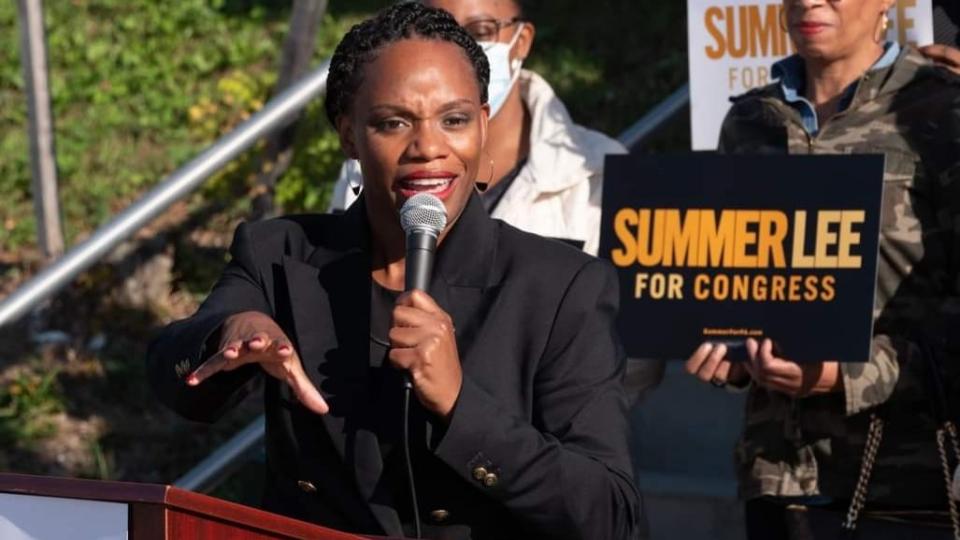
Dr. Sampaio explores, through empirical data and interviews with candidates and political professionals, the experiences of Latina congressional candidates in the 2018, 2020, and 2022 elections. She also provides prescriptions founded in this research to enhance Latinas’ political participation and increase the number of Latinas running for office.

Additional Briefs










CAWP Research Grant Recipients
For five decades, the Center for American Women and Politics (CAWP) at the Eagleton Institute of Politics at Rutgers University (New Brunswick, NJ) has been committed to promoting greater knowledge and understanding about the role of women in American politics, enhancing women's influence in public life, and expanding the diversity of women in politics and government. This research is made possible thanks to the generosity and commitment of Pivotal, a Melinda French Gates company.
Funded research projects were identified by both internal and external reviewers as meeting one or more priorities laid out in CAWP’s request for proposals, including leading with intersectionality, expanding research focus, and/or meeting the moment. These projects were also identified as among the most promising among all proposals to yield insights that can be translated into action to increase women’s political power, including effective interventions to disrupt gender and/or intersectional biases in U.S. political institutions.
2021 CAWP Research Grant Recipients
Doctoral Students
Understanding Modern Gender Discrimination in US Politics
Abstract: The barriers to women and women of color's entry into political office in the United States today differ significantly from the barriers that they faced in the middle of the 20th century. While women continue to make up a minority of most U.S. legislative bodies at all levels of government, recent experimental and observational research indicates a clear consensus that, all else equal, voters at the ballot box may not overtly discriminate against female candidates, suggesting that voter biases against women may not be a significant impediment to women's lack of political representation (Teele, Kalla, & Rosenbluth 2016; Coppock & Schwartz working paper; Lawless 2015). In fact, experimental research indicates that respondents voting in hypothetical elections may actually prefer female candidates over male candidates by an average of two percentage points (Coppock & Schwartz working paper). Moreover, survey results indicate that very few Americans will admit to saying that they will not vote for a female candidate (6% of Americans indicated they would not vote for a woman based on a 2019 Gallup survey) or admit they think women are not emotionally suitable for politics compared to men (13% of Americans reported they think women are not emotionally suitable for politics based on a 2018 GSS survey). What should we take away from these studies? While some argue that gender discrimination no longer exists in elections, I argue that gender discrimination in elections in the United States still exists and that its form has changed from decades past. In line with recent work by Bateson (2020), I argue that women in politics, and particularly women of color in politics, today face strategic discrimination. With support from the Center for American Women and Politics, I aim to test this theory with a series of experimental frameworks in real-world election settings.

Annabelle Hutchinson is a PhD Candidate at Yale University. Her research focuses on gender, race, and class in American politics. Her recent work investigates how men respond to threats to their power and status in society, the effects of jobs loss on political and social attitudes, gender and racial discrimination in elections, the political economy of gender, distributive politics, and experimental methods. She received a B.A in economics and political science from Texas A&M University in 2015.
Por Mi Gente: Gender, Citizenship, and the Power of Community in Immigrants' Risky Political Participation
Abstract: Why do some immigrant women engage in political behavior despite the risk in doing so? I argue that our answers are incomplete because we do not consider how risk varies along citizenship lines and colors the type of political engagement feasible to certain immigrant groups. For example, a protest is not as high risk for a naturalized immigrant as an undocumented person. Yet, when we look at the data, there is not much difference in the levels of participation. My theoretical contribution is to posit that immigrants make risk assessments when participating in politics by assessing risks to themselves or to their communities and by their citizenship status. These assessments, I argue, are also gendered, with women being more sensitive to community risks and therefore taking riskier actions. I explore how citizenship status, gender, and community risk perceptions affect political participation among immigrant communities using in-depth interviews and survey data.

Maricruz Osorio is a PhD candidate at the University of California, Riverside. Broadly, her work examines political engagement and behavior of marginalized groups, with a focus on the political behavior of women and immigrants. Her dissertation work argues that immigrants participate in politics after a series of risk assessments shaped by gender, and citizenship status. She has published in Aztlan, PS: Political Science and Politics, and has contributed to other forms of publicly available scholarship including policy reports, blogs, encyclopedia entries, and public radio. Outside of academic work, Maricruz is a founding member of People of Color Also Know Stuff. She has been an invited speaker on issues of equity, diversity, and inclusion in academia.
Asian American Women in the Political Campaign: The Effect of Race and Gender Intersectionality on Female Voters
Abstract: This project aims to examine the effects of gender and race cues in campaign strategies on female voters’ perceptions of Asian American women candidates. Earlier studies revealed that the intersectionality between gender and racial cues affects voters’ political preferences (Smooth 2006, Brown and Lemi 2021). At the same time, gender traits in campaign ads could also play a role in shaping voters’ perception of candidates (Sapiro et al., 2011; Dolan 2014). However, the literature has focused on the intersectional effects on black women (Smooth 2006, Brown and Lemi 2021) and Latinas (Santia and Bauer 2020) while neglecting Asian American women candidates. This project develops a framework to identify the effect of intersectionality on Asian American women as an extension of an ongoing project using content analysis. With the CAWP data sets, our previous research finds that Asian American women have different campaign strategies associated with racial and gender cues than women candidates in other racial groups. In the following experimental design project, we plan to focus on female voters’ political preference for Asian American female candidates. We will recruit about 600 white women and Asian American women participants, and randomly assign them to one of the two experimental groups: Asian American female candidates with either masculine or feminine traits in her campaign ads. We contend that both gender traits and racial cues affect female voters’ candidate preferences. We expect that, first, Asian women participants will be more likely to support Asian female leaders, and second, Asian American women with masculine traits will be more supported by both white and Asian women respondents, with different significance levels as the function of the racial cue.

Dan Qi is a Ph.D. candidate in the Department of Political Science at Louisiana State University. Her first major is American politics, and her second major is comparative politics. Her main research area is race ethnicity and identity politics, especially in Asian American Politics and immigration. She also has widely ranged ongoing research in gender politics, news media and government, political behavior, public opinion, and political economy. She has publications in peer-reviewed scholarly journals, including Political Behavior and Social Science Quarterly. At the 2021 APSA conference, she presented a paper entitled “American Attitudes Towards Asians in the Trump Covid Era.” Her dissertation will be titled “Nationalism, Perceptions of Immigrant Threat, and Attitudes Towards Immigrants in Developed Countries.”

Cana Kim is a Ph.D. candidate at Louisiana State University in the Department of Political Science with a primary concentration in international relations. Her research interests center around constraints on foreign policy decision-making. Her doctoral dissertation delves into the American public perceptions of domestic and foreign identity to specify the micro-foundations of popular foreign policy constraints. Her current research stretches further to gender politics, ethnic-racial identities, media coverage, and East Asian foreign relations. With her second concentration on methodology, Cana uses both large-N quantitative and qualitative (focus group, process tracing) methods as well as experimentation. Cana is a past recipient of the Chair Scholarship (2018) from the Korean American Scholarship Foundation. Cana earned her M.A. and B.A. in political science from Yonsei University in Korea.
Harnessing the Power of Emotion: How Latinas use Emotional Appeals in their Campaign Messages
Abstract: Despite the recent surge of minority women in U.S. politics, the representation of Latinas is strikingly low at all levels of office. Past research offers unclear conclusions as to whether Latina political candidates face a layered set of hurdles associated with their multiple identities at the intersection of their gender and their ethnicity (Bejarano, 2013; Cargile, 2016). This proposed research attempts to bridge this gap in the literature and contributes to work on candidate behavior and campaign communication by investigating the types of campaign messages Latinas employ on the campaign trail. To this end, this project combines an analysis of campaign advertising data from the Wesleyan Media Project and an original survey-based experiment to tackle Latinas’ unique positionality in U.S. politics. More specifically, this project builds upon existing intersectionality literature to investigate how Latina candidates use emotional appeals in their campaign messages in order to sway voters’ attitudes and whether these appeals are advantageous in getting them elected. The results from this project are consequential because they offer insights into the messaging strategies that Latina candidates can employ to overcome the potential intersectional biases they face in an increasingly complex political landscape. Given the changing demographics of elected politicians, this project enhances the demand for a broader understanding of multidimensional models of strategic political communication to increase Latinas’ political power and to improve the descriptive and substantive representation of minority groups in U.S. politics. Funds from the CAWP grant will support the data acquisition stage as well as the data collection stage for this project.

Martina Santia is a Ph.D. candidate in media and public affairs in the Manship School of Mass Communication at Louisiana State University. Her primary research interests include political communication, race, and gender. Martina’s research directly addresses issues of diversity in U.S. politics and strives to center the experiences of marginalized individuals to develop scholarship that will institutionalize diversity, equity, and social justice. Specifically, one strand of Martina’s research examines the role of female candidates and how they manage the gendered political landscape. In an article recently published in Political Research Quarterly, Martina and her co-author focus on how women political candidates manage gendered pressures on the campaign trail by strategically balancing masculine and feminine stereotypes to affect voters’ decision-making and, ultimately, their ability to win elections. Martina’s research has been published in Public Opinion Quarterly, Mass Communication & Society, and Perspectives on Politics among other journals.

Sylvia Gonzalez is a Mexican American Political Science Ph.D. candidate at Louisiana State University. Sylvia is working on her dissertation on Black and Brown Relations and various projects revolving on voting in America. The purpose of her dissertation is to determine the circumstances under which coalitions between African Americans and Latinos are viable and when they are not. Sylvia studies the challenges women face as candidates with a focus on voter prejudices when they are presented with a candidate who does not fit the prototypical candidate profile.
The Face of a Movement: Colorism and Racism in the Evaluation of Black Women Leaders
Abstract: Stereotypes of Black women can produce deleterious effects on Black women’s leadership appraisals and perceived governing capabilities (Harris-Perry, 2011; Hicks, 2017). Lemi and Brown found that phenotype plays a vital role in the evaluation of Black women candidates, as Black women with a lighter skin tone and more relaxed hair texture tend to garner significantly more support than those with a darker skin tone and more textured hair (2021). Notwithstanding these limitations, Black women have exhibited adept leadership in the Capitol as well as in activism: #BLM and #MeToo, two of the largest social movements in contemporary politics, were founded by Black women. In the age of social media, it is timely and imperative to take the findings on minority candidate evaluation in the formal political sphere (Weaver, 2009; Philpot and Walton Jr, 2007) and test their validity within the informal political sphere. As social movements surpass formal political institutions in representing diverse ideological and demographic perspectives (Cohen 2005, McAdams, 1982), this paper expands the literature of Black women political leaders to understand the spatial differences between formal and informal politics and their potential, and perhaps unexpected, similarities. With a mixed-method research design encompassing a survey experiment and follow-up interviews, we aim to answer the question: “How do skin tone and hair variation affect the perceived capabilities of Black women leading social movements like BlackLivesMatter and #MeToo?” As social movements become increasingly relevant avenues for political participation, it is all the more crucial to examine the identity politics behind these movements’ leadership. We hope this project will shed light on the implications of a population that has been politically instrumental yet often invisible in academic research.
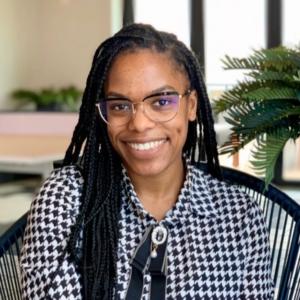
Andrene Wright is a Ph.D. candidate at Northwestern University specializing in urban politics and political behavior at the intersection of race, gender, and class. Since her undergraduate career, she developed an affinity for work that advanced the political science discipline and the potential to improve the representation and understanding of underserved communities. She engages with this work through methodological training that prioritizes an intersectional and community-centered approach, which has provided a stable foundation for her post-graduate journey. Wright's dissertation centers on questions related to Black women mayors' role in African American politics. With this work, she seeks to advance the discipline's understanding of identity politics, complicate the internal dynamics of Black politics more precisely, and situate a Black feminist consciousness in political decision-making. Once completed, she sees this work contributing to race and gender scholarship championing techniques that best account for intra-group differences within marginalized communities. She earned a M.A in political science from Northwestern University, a B.A in political science from the City University of New York (CUNY) John Jay College of Criminal Justice and was a former American Political Science Association (APSA) minority fellow (2017).
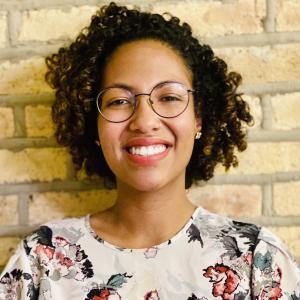
Michelle Bueno Vásquez is a third year PhD candidate in political science and a Master’s candidate in statistics at Northwestern University with a focus on race and ethnic politics and methodology. With a vested interest in identities at the margins, her research explores conceptualizations and measurement of intersectionality and its political implications, namely Afro-Latinidad and Black feminism across borders. Michelle has vast experience in a diverse set of methodological approaches, including experiments, surveys, and various qualitative methods. She has worked in multiple research labs in the fields of psychology and political science. In her methodological work, she hopes to develop analytical frameworks, theories, models, and other quantitative as well as qualitative avenues best suited to the study of race and ethnicity, challenging the fallacious norm in the discipline where race is merely a box to check off in analyses. Currently, Michelle serves as a co-chair for the Northwestern Political Science graduate student association, where she focuses primarily on graduate student co-mentorship. She is especially interested in providing opportunities for professionalization to junior scholars of color. To this end she organizes workshops on research ethics, race, and ethnic politics, as well as PhD program milestones. Additionally, she is developing the first manual for best practices for graduate student professionalization for her department. Michelle holds a Master of Arts in political science from Northwestern University, and a Bachelor of Arts with Honors in political science from the University of Chicago.
Faculty/Post-Graduates
Deepening Democratic Engagement in Select Battleground States: Moving Women of Color from Reliable Voters to Candidates
Abstract: Following recent presidential elections, pundits and scholars alike pointed to these elections as evidence of a changing American electorate. The electorate has become more diverse than ever in the country’s history. In particular, the electoral power of women, African Americans, Latinos, and Asian Americans showed the political parties that these groups are considerable forces in American politics. These significant shifts in the electorate offer opportunities to engage new thinking about the potential of these groups to not only decide elections, but to sustain their civic engagement far beyond simply voting. Beyond their political power in determining election outcomes, the new American electorate has the potential to reshape political representation in elected bodies by becoming candidates themselves, thereby changing the descriptive representation of governing bodies, which arguably changes policy outcomes in more representative ways. Women of color are at the center of these changes, and this project focuses on how they are organizing simultaneously to protect access to the vote for communities of color and increase the numbers of women of color candidates running for office. We explore the mechanisms and organizational structures women of color are formulating to execute these related tasks that deepen democratic engagement, particularly for communities of color. Focusing on select battleground states, we ask: What types of mobilizations, civic groups, training initiatives, and organizations are assuming this role in the democratic process to extend democratic inclusion for women of color? How are women of color networks, civic organizations, and nonprofits at the subnational level engaged in this work?

Christina Bejarano, Ph.D. is a professor of political science at Texas Woman’s University. She has a joint appointment with the Jane Nelson Institute for Women’s Leadership at TWU. Bejarano is a nationally recognized author, speaker, and advisor on Latina electoral politics in the U.S. She studies the conditions under which racial/ethnic minorities and women successfully compete for U.S. electoral office, which is reflected in her book on Latina political candidates — The Latina Advantage: Gender, Race, and Political Success (University of Texas Press, 2013). Her work also focuses on how racial/ethnic minorities and women can shape or influence the current electoral environment, which is reflected in her second book — The Latino Gender Gap in U.S. Politics (Routledge Press, 2014). Bejarano has given talks to various campaign and leadership training programs to share her research on Latina politics.

Wendy G. Smooth, Ph.D. is associate dean for diversity, equity and inclusion and chief diversity officer for the College of Arts and Sciences at The Ohio State University. She holds a faculty appointment as an associate professor of women’s gender and sexuality studies, and holds courtesy appointments in political science and the John Glenn School of Public Policy. A noted scholar of intersectionality and american politics, she is one of the foremost voices writing on the experiences of women of color as law makers in political institutions and women of color issues in public policy. Her current research focuses on girls of color and their interests in political leadership and the exponential growth in women of color led organizations linking communities of color to the democratic process. She regularly commentates and consults on issues impacting Black women in electoral politics as voters and candidates. Her writings appear in numerous journals including, Politics and Gender; Journal of Women Politics and Policy; and the National Political Science Review and edited volumes such as Situating Intersectionality: Politics, Policy and Power; Gender and Elections: Shaping the Future of American Politics; Legislative Women: Getting Elected, Getting Ahead; and Still Lifting, Still Climbing: Black Women's Contemporary Activism.
Gender, Race, Partisanship and the Dynamics of Candidate Likability
Abstract: What does it mean for a political candidate to be ‘likable?’ Most models of vote choice include some element of likability, polls often include questions about how likable a candidate is, and much media attention during a campaign is devoted to the likability (or lack thereof) of the individuals in the race. Yet, as a concept, likability is difficult to define and little political science literature has systematically considered the factors that contribute to or detract from perceptions of likability. What is clear is that candidate gender, race, and partisanship all play an important role in determining perceptions of candidate likability, often to the detriment of women — and especially women of color. While women’s political representation has increased substantially, enormous disparities still persist. Perceptions of candidate likability influenced by stereotypes and biases based in gender, race, and partisanship may be a key factor in explaining these disparities.
We propose a series of studies which examine the relationship between gender, race, partisanship, and likability for political candidates, culminating in a book-length manuscript. We will seek to answer the following questions: 1. What makes a candidate “likable” or not and does this differ by candidate gender?; 2. How do the content and consequences of likability evaluations vary for women based on race, ethnicity, and/or political party?; 3. To what extent do evaluations of likability predict global evaluations of candidates and vote choice?; 4. Which voter characteristics interact with candidate attributes to influence likability judgments?; and 5. How can/do women candidates navigate the issue of likability in order to increase their electability? In order to answer these questions, we will employ a multi-method approach including interviews of campaign professionals, experiments isolating causal effects, and a survey of voters in order to better understand how likability functions in the “real world.”

Tessa Ditonto is an associate professor of gender and politics in the School of Government and International Affairs at Durham University. Her research centers on gender and politics and political psychology and focuses on how voters learn about women political candidates and make decisions during political campaigns. She has published numerous articles on how voters evaluate female candidates and how gender-based stereotypes influence impression formation, information search patterns and decision-making among voters. Her work has been featured in journals such as Journal of Politics, Political Analysis, Political Behavior, Public Opinion Quarterly, and Political Psychology.

David J. Andersen is an associate professor of United States Politics in the School of Government and International Affairs at Durham University. His work focuses on political psychology, political behavior, and American campaigns and elections. He has published numerous articles related to how people seek out information about politics, how they process that information, and how they then update their opinions and beliefs. His work has been published in journals such as the American Journal of Political Science, Journal of Politics, Political Analysis, Political Behavior, and the Journal of Experimental Political Science.
Too Feminine to Lead? Identifying Voter Discrimination and Violence Against AAPI Women Candidates
Abstract: Despite their increasing presence in the electorate, Asian American and Pacific Islander women remain severely underrepresented in political offices. This research seeks to explain the stark underrepresentation of AAPI women in elected office by examining patterns of voter discrimination against AAPI women candidates. The aims of this project are two-fold. First, this research examines the presence of voters' gendered racial stereotypes against AAPI women and how it might negatively affect these candidates' electoral success. Being both women and Asian might make AAPI women appear even more feminine than women from other racial and ethnic groups, and thus, voters might consider them less suitable for political leadership positions. Second, this research investigates the extent of sexual harassment targeting AAPI women candidates, focusing on how the surging anti-Asian racism during the COVID-19 pandemic might have exacerbated online violence against AAPI women in politics. Due to their high public visibility, women in politics worldwide are increasingly experiencing sexual assaults both in offline and online spaces. Women of color in politics, in particular, face more intense assaults and abuse. Using survey experiments and social media analysis, this research will investigate the scope of voter discrimination against AAPI women candidates. The findings of this research will make a vital contribution to our understanding of intersectional barriers to women's access to political office. This research will also have significant implications for policymakers and practitioners by urging them to introduce more regulatory measures against vicious online attacks that disproportionately target women of color.

Jeong Hyun Kim is an assistant professor of political science at Louisiana State University. Her research focuses on democratic representation, gender and politics, and public opinion on policy. She received her Ph.D. in Political Science from Washington University in St. Louis in 2018. Her work has appeared in the American Journal of Political Science, Comparative Political Studies, Politics & Gender, and other journals.
Masculinity, Intersectionality, and Presidential Politics
Abstract: Masculinity is fundamental to the U.S. presidency, the “highest, hardest glass ceiling” (Clinton 2008). Gender-office incongruency has historically made it difficult for feminine and female candidates to win (Conroy 2015, Lawrence and Rose 2009). With the appearance of more potential viable female candidates, we can now test whether and how masculinity (and femininity) influence candidate evaluations in real-world scenarios. Through an original survey of first-in-the-nation Republican presidential primary voters in New Hampshire, we examine the extent to which masculinity shapes how these voters evaluate potential nominees, including white women and women of color. We additionally analyze the ways in which assumptions about the preeminence of masculine traits shapes perceptions of electability and viability, particularly in the early stages of the primary when voters know less about candidates and are more heavily reliant on information shortcuts such as race/ethnicity and gender.
Regardless of how the 2024 field of candidates unfolds, this study will contribute in several ways to our understanding of masculinity and presidential politics. First, we analyze potential presidential candidates to show how early primary voters evaluate candidates’ perceived quality, competency, and electability. In particular, we will examine how ideas about the presidency shape gendered assumptions about actual potential candidates, potentially disadvantaging certain candidates before any votes are cast. Second, we experimentally test how ethnicity and gender, particularly for Asian-American women, might shape presidential candidate evaluations. Third, we will analyze gender gaps in Republican voters’ attitudes about women candidates as well as former President Trump. Overall, our project will bring new evidence to bear not just on whether the presidency is masculinized, but how it is masculinized, with important practical implications for men and women candidates alike.

Dr. Jennifer C. Lucas (Co-Principal Investigator) is professor and chair of the Department of Politics at Saint Anselm College. She received her Ph.D. in government from the University of Maryland - College Park, and previously served as co-editor of the Journal of Women, Politics & Policy. Her research on women candidates and officeholders has appeared in Politics & Gender, Social Science Quarterly, and American Politics Research, and she has co-organized the biannual American Elections Conference since 2014.

Dr. Heather Silber Mohamed (Co-Principal Investigator) is an associate professor of political science at Clark University. Her book, The New Americans: Immigration, Protest, and the Politics of Latino Identity (2017, University Press of Kansas), was named the Best Book of 2017 by the American Political Science Association’s Latino Caucus, and in 2019, she received the Early Career Award from the Midwest Political Science Association’s Latina/o Caucus. Her research lies at the intersection of race/ethnicity and gender. In 2020, she co-organized the virtual Gender and Political Psychology conference. Prior to pursuing her PhD, she worked for six years as a policy aide in the U.S. Congress.
Masculine and Feminine Attributes: Understanding America’s Changing Conceptualization of Candidates and Parties
Abstract: In the proposed project, we seek funding to leverage an existing data collection effort by developing and implementing a mixed-method approach to analyzing the oft-neglected open-ended candidate and party evaluation items on the 2016 and 2020 American National Election Studies (ANES). This coding project will allow us to pursue two lines of inquiry. First, the data can be utilized to investigate the role of gender in American elections by focusing on the link between voters’ evaluations of the major party presidential candidates and gendered conceptualizations of the political parties. Our primary research questions in this area include: Do voters perceive candidates through an integrated gender-partisan lens? How do voters evaluate and respond to perceptions of “fit” between party and candidate in this regard? Is there a gender dimension to negative partisanship, such that negativity toward one’s political opponents is commonly expressed in terms of gendered traits? By breaking new ground on gendered dimensions of party fit and negative partisanship, our proposed work addresses Priority Two: Expanding Research Focus. Our second line of inquiry utilizes a stand-alone analysis of the open-ended text data from 2020 to address Priority Three: Meeting the Moment. We explore public opinion toward pandemic response and the Black Lives Matter movement from an intersectional framework. Our research question asks: How did intersectional identities, and the sense of linked fate accompanying them, shape issue attitudes, candidate evaluations, and mobilization in 2020? We combine mentions of these issues from our open-ended text analysis with responses to close-ended questions in our analysis. This work is poised to offer insights into how public health issues and systemic racism shaped mobilization and voter decision making in 2020 across race and gender groups in the electorate and how these factors might continue to play a role in future American elections.

Dr. Heather L. Ondercin is an assistant professor in the Department of Government and Justice Studies at Appalachian State University. She received a dual PhD in political science and women’s and gender studies from The Pennsylvania State University in 2007. Her current research focuses on how social identities translate into partisan identities and the emergence and success of women candidates. Her scholarship has been published in The British Journal of Political Science, Political Behavior, Political Research Quarterly, Politics & Gender, and a number of other scholarly journals. http://heatherondercin.weebly.com/
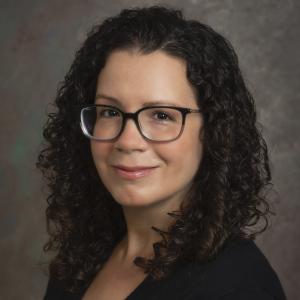
Dr. Erin C. Cassese is a professor in the political science Department at the University of Delaware. She received her Ph.D. in Political Science from Stony Brook University in 2007. Her current research examines voter psychology, with an emphasis on the role of gender in American political campaigns and elections. This work has appeared in Political Behavior, Political Research Quarterly, Political Psychology, Politics & Gender, and a number of other scholarly journals. Cassese’s scholarship has been cited by national media outlets, including The New York Times, The Washington Post, Vox, and FiveThirtyEight. https://www.erinccassesephd.com/
Violence Against Asian American Women in Politics (VA3WIP): Consequences for Political Candidacies, Ambition, and Representation
Abstract: In the Violence Against Asian American Women in Politics (VA3WIP) project, we examine how the rising prominence of Asian American women as candidates and elected officials intersects with the rise of violence and threats of violence against them. We propose a mixed methods approach that includes a larger survey of all Asian American elected officials coupled with in-depth interviews. This project will extend the nascent theories of violence against women in politics to the unique intersections of gender and race for Asian American women and detail how violence influences their candidacies, political ambition, and representation.

Paru Shah is a professor of political science at the University of Wisconsin, Milwaukee. Her areas of expertise are race and politics, state and local politics, and public policy. She has researched and written extensively on the factors that influence women and women of color's decisions to run for office, their likelihood of winning, and the subsequent policy changes. Paru is also an elected school board member in Shorewood, Wisconsin, and has worked with other electeds of color on developing strategies to be successful in office.

Sameena Mustafa ran for Congress as a Justice Democrat as the only Indian Muslim running for Congress nationally and the first woman of color to run in her district in 2018. She uses the lessons of her run to advise progressive candidates and nonprofits, specializing in women of color and marginalized folks. On her show, "Hand Her the Mic" and via the Veralo fellowship, she features and elevates women of color leaders. Before and since running, she demonstrated her commitment to her community through leadership positions at the League of Women Voters, NPR/Chicago Public Media, YWCA, United Way, and Asian Americans Advancing Justice. Born and raised in Chicago and now based in Los Angeles, she holds a degree from Northwestern University in philosophy and poetry.
When You See Me, Do You Hear Me? The Persuasive Power of Black Women
Abstract: Movements like #MeToo and #BlackLivesMatter use social media to share individual experiences and personal pleas to galvanize others to take action for social change. The success of these messages depends upon the reach and persuasiveness of their messengers. Due to existing power disparities, race, gender, and the intersection of race and gender, can affect the reach and persuasiveness of messages. Black women may be uniquely trusted messengers for some groups, but they may also have more difficulty getting other groups to listen or be persuaded. If segments of the public are more likely or less likely to hear and respond to calls for reform depending on when they are made by a Black woman compared to a white person or Black man, this creates both challenges and opportunities for sustaining coalitions for change. Differential responses could also lead to some interests being overlooked by movements and the public. Our research will use a choice-based survey experimental design to assess whether people listen to and are convinced by social movement messages from Black women as compared to white women, Black men, and white men. This project has implications for social movement strategy but also broader implications for how we communicate with one another and how we convey who has authority.
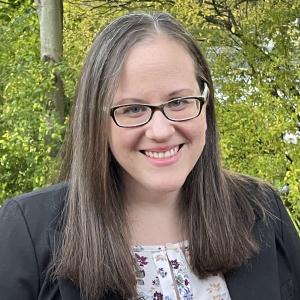
Tarah Williams is an assistant professor of political science at Allegheny College. Her research agenda examines how prejudice (particularly racial and gender-based prejudice) shapes American political life and culture. Her work has appeared in the Journal of Politics, Politics, Groups and Identities, the Journal of Experimental Political Science and PS: Political Science & Politics. She teaches courses on race, gender, campaigns and elections, and political psychology.

Kylee Britzman is an assistant professor of political science at Lewis-Clark State College. Her research in U.S. politics focuses on voting behavior, political communication, and perceptions of electability particularly based on candidate gender and race. Her work has been published in the Journal of Experimental Political Science, Journal of Political Science, PS: Political Science & Politics, and Social Science Computer Review. She teaches courses on research methods, gender and politics, and political psychology.
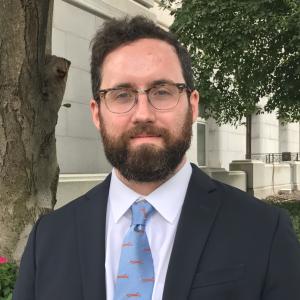
Paul F. Testa is an assistant professor in the Department of Political Science at Brown University. His research focuses on how interactions with the criminal justice system shape political behavior. His work has appeared in the American Journal of Political Science, Journal of Politics, Political Behavior, and Public Research Quarterly. He is an affiliate with the Taubman Center for American Politics and Policy.
For five decades, the Center for American Women and Politics (CAWP) at the Eagleton Institute of Politics at Rutgers University (New Brunswick, NJ) has been committed to promoting greater knowledge and understanding about the role of women in American politics, enhancing women's influence in public life, and expanding the diversity of women in politics and government. This research is made possible thanks to the generosity and commitment of Pivotal, a Melinda French Gates company.
Funded research projects were identified by both internal and external reviewers as meeting one or more priorities laid out in CAWP’s request for proposals, including leading with intersectionality, expanding research focus, and/or meeting the moment. These projects were also identified as among the most promising among all proposals to yield insights that can be translated into action to increase women’s political power, including effective interventions to disrupt gender and/or intersectional biases in U.S. political institutions.
2020 CAWP Research Grant Recipients
Doctoral Students
Intersectional Advocacy: How She Reconfigures the State
Abstract: This project focuses on how women’s advocacy groups reconfigure the American state to make its institutions and policy structures more representative of an increasingly diverse polity. By studying feminist organizations within movements to end violence against women, this project highlights that activists who are orienting their work around class, racial, ethnic, and citizenship differences are engaging in a new way with the state. This approach to politics illuminates a new form of activism and leadership among women referred to as “intersectional advocacy.” Intersectional advocacy is a process of restructuring political institutions to better meet the needs of multi-marginalized populations. This type of advocacy is very different than other approaches previously used by women’s organizations, and it needs to be better understood. That is the goal of this project: to examine how women organizational leaders contest American political institutions to establish new structures and policies that represent women with intersecting marginalized identities as well as the challenges they face in leading this type of advocacy. For this proposed project, women leaders who build and sustain these types of organizations are the focus to understand how they navigate a set of intersectional politics in which their constituents are positioned between multiple issues of oppression (e.g. violence, racism, sexism). It also includes an examination of what tactics these advocates use to confront political institutions that reinforce the many different dimensions of this oppression and how they work within the bounds of the state to avoid further marginalizing some identity groups while protecting others. These are the challenges and possibilities of intersectional politics that this project is designed to underscore, interrogate, and understand.

Margaret Teresa Brower is a Ph.D. candidate at the University of Chicago in political science with a specialization in gender, race, and ethnic politics. Her most recent work focuses on women’s leadership among advocacy organizations and how the representation of women across multiple axes of marginalized identities (e.g. race, ethnicity, citizenship status) informs these approaches and strategies. Outside of academia she is deeply invested in women’s advocacy and activism. She serves as an advisory board member of Women Employed and collaborates with a variety of other different organizations on research and advocacy. She holds a Master of Arts in political science from the University of Chicago, a Master of Arts in higher education and public policy from the University of Michigan, and a Bachelor of Arts in political science and education from Colgate University.
Television News Media and Public Opinion towards Black Female Political Elites
Abstract: This study analyzes the ways in which national television news media in the U.S. shapes American public attitudes surrounding prominent Black female political figures. A key premise of this project is that Black women in the political arena face higher levels of negative news coverage and criticism when compared to their non-Black female counterparts. This study displays the significant implications that news media rhetoric has for broad public attitudes toward Black women political elites. Furthermore, this project presents a mixed-methodology approach to better understand the unique experiences faced by Black women in the political limelight. First, using an original sentiment scale, a manual content analysis is employed to examine nearly 800 news segment transcripts centered upon Black women political elites on the “big three” television networks: ABC, CBS, and NBC, in addition to both FOX and MSNBC. Specifically, these news segments center on Michelle Obama, Kamala Harris, Stacey Abrams, and Maxine Waters. In addition to the content analysis, this project employs original surveys that assess the extent to which news consumption among the American public has implications for views and attitudes toward Black women political figures. Further, this study presents a two-fold analysis: 1) an examination of media rhetoric surrounding Black women political elites, and 2) an analysis of the potential impacts of news sentiment on American public opinion. Moreover, this study illuminates the very substantial implications that television news political discourse has for American public opinion toward Black women in the political limelight.

Sydney L. Carr is a Ph.D. candidate at the University of Michigan in the Department of Political Science and the Ford School of Public Policy. Her primary research interests include race, gender, and ethnic politics, public opinion, news media, and political communication. Specifically, Sydney’s work centers on political news discourse surrounding Black political leaders and its impacts on American public opinion. Sydney’s current project, “Television News Media and Public Opinion towards Black Female Political Elites,” explores the role of American consumption of television news media in impacting public beliefs surrounding Black female political elites. Sydney’s work is currently supported by the National Science Foundation Graduate Research Fellowship (2018). In addition, Sydney is a past recipient of the American Political Science Association Minority Fellowship (2018) and is a former Ralph Bunche Summer Institute Fellow (2017). Sydney earned her M.A. in political science from the University of Michigan and B.A. in political science from the University of Connecticut’s Honors Program.
Faculty/Post Graduates
Bridges: How Black Women Coordinate the Lawmaking Efforts of Identity-Based Caucuses
Abstract: Legislative caucuses are a key component to ensuring trust among legislators. Caucuses provide the social networking, information sharing, and work distribution necessary for success in polarized state legislatures. In the proposed project, we draw upon representational identity theory as developed in Brown (2014) that asserts that both collective and individual experiences shape the political behavior of Black women. As members of Black legislative caucuses and women’s legislative caucuses, Black women bring the multiplicity of their identities to both legislative groups. Rather than a single axis approach, Black women bring to bear their full identity and how they seek to represent their constituents in coalition with Black men and women of varying ethno-racial identities. In doing so, Black women lawmakers may be able to build coalitions by drawing on those multiple identities and serving as bridges within race and gender based legislative caucuses. Or Black women may fail to be fully incorporated in either identity-based caucus. To better understand the experience of Black women in caucuses we propose to conduct case studies in two different states with both Black and women’s caucuses: Maryland and Louisiana. Our approach allows us to compare the experiences of three marginalized groups, Black women, Black men, and white women. Using virtual semi-structured interviews, we will probe subjects to reflect on their membership in caucuses and the benefits and drawbacks of participation across a range of vectors including: personal, electoral, and policy matters. We will also collect press releases, news accounts, and primary documents from both the Black and women’s caucuses in these states. Our proposed project will offer a window into the world of legislatures from the perspective of identity politics.
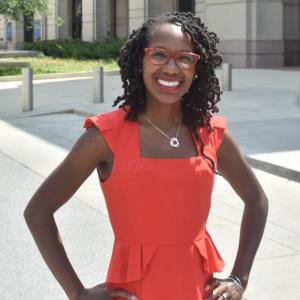
Nadia E. Brown is an associate professor and university faculty scholar of political science and african american studies at Purdue University. In July 2021, she will be a full professor of government and the director of Women’s and Gender Studies Program at Georgetown University. Professor Brown is the author of the award-winning Sisters in the Statehouse: Black Women and Legislative Decision Making. She is the co-author of Sister Style: The Politics of Appearance for Black Women Political Elites with Danielle Lemi. Professor Brown is the lead editor of Politics, Groups and Identities.
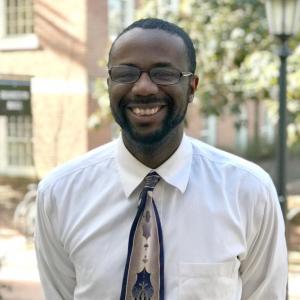
Christopher Clark is associate professor of political science at the University of North Carolina at Chapel Hill. His research focuses on minority representation, with a particular interest in subnational politics. He is the author of Gaining Voice: The Causes and Consequences of Black Representation in the American States (Oxford University Press, 2019), as well as several peer-reviewed journal articles. He teaches classes on minority representation, race and politics, and state politics.

Anna Mitchell Mahoney is an administrative assistant professor of women’s political leadership at the Newcomb Institute at Tulane University. In 2016, she became director of research for the Institute. Anna’s research is centered on women’s representation and gendered institutions, which is explored in her book, Women Take Their Place in State Legislatures: The Creation of Women’s Caucuses (Temple University Press, 2018). She has published articles in Politics & Gender, Representation, and Legislative Studies Quarterly.
Conceptualizing Caregiving and its Consequences for Attitudes and Engagement
Abstract: The COVID-19 pandemic has laid bare and exacerbated the challenges of caregiving, particularly for women (Gates 2020). Typically, women in the U.S. do the majority of familial caretaking (Herd & Harrington Meyer 2002); during the pandemic, women face even greater challenges related to child and elder care and often devastating economic consequences (Gupta 2020, Horsley 2020, Kitchener 2020, Power 2020). Women of color have felt these effects most acutely (Bedford 2020, Holpuch 2020). In this project, we ask how the caregiving responsibilities that women often take on (e.g. childcare, elder care, sibling care, and the anticipation of those responsibilities) structure their political engagement and policy attitudes, focusing in particular on the context of the pandemic. Through an original survey and in-depth interviews, we analyze how the pandemic influences caregiving responsibilities and perceptions across diverse segments of the population and explore whether (and if so, how) women, whose time and resources are consumed by their caretaking responsibilities, are still able to make space for political engagement. Our analysis will help us promote women’s political power in two practical and critical ways. First, it will help us understand the barriers placed by caregiving responsibilities, and thus put us in a better position to overcome them. Second, it will shed light on the opportunities and skill sets the caregiving experience provides for women in the political sphere. In painting a fuller picture of the relationship between caretaking and political engagement, we hope to help change and challenge traditional conversations around gender and care. More specifically, our work can help a) candidates and aspiring political actors better highlight and even celebrate their caregiving expertise and experience, and b) policymakers better frame and craft solutions to caretaking inequities.
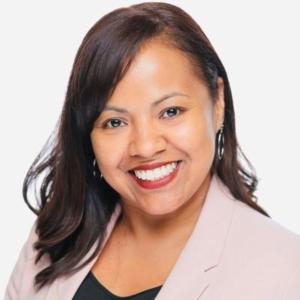
Ivy A.M. Cargile is an assistant professor of political science at California State University, Bakersfield. She is co-editor of The Hillary Effect: Perspectives on Clinton’s Legacy (Bloomsbury Publishing, 2020), other book chapters, and articles related to race and ethnic politics and women in politics.

Jill S. Greenlee is an associate professor in politics and women’s, gender & sexuality studies at Brandeis University. She is the author of The Political Consequences of Motherhood (2014, University of Michigan Press), and numerous articles that investigate topics related to political socialization. You can find more information on Dr. Greenlee here.
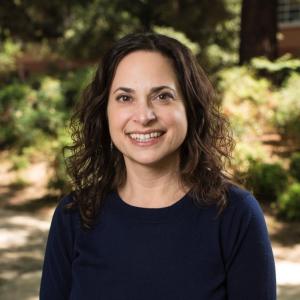
Jennifer L. Merolla is professor of political science at the University of California, Riverside. She is co-author of Democracy at Risk: How Terrorist Threats Affect the Public (2009, University of Chicago Press), Framing Immigrants: News Coverage, Public Opinion and Policy (2016, Russell Sage Foundation), and numerous articles on how the political environment influences political behavior. She is also co-editor of The Hillary Effect: Perspectives on Clinton’s Legacy (2020, Bloomsbury Publishing). You can find more information on Dr. Merolla here.

Rachel VanSickle-Ward is a professor of political studies at Pitzer College in Claremont, California. Her books include The Devil is in the Details: Understanding the Causes of Policy Specificity and Ambiguity (SUNY Press, 2014), The Politics of the Pill: Gender, Framing, and Policymaking in the Battle Over Birth Control (Oxford University Press 2019), and (as co-editor)The Hillary Effect: Perspectives on Clinton’s Legacy (Bloomsbury Publishing, 2020).
Addressing Women’s Safety to Vote
Abstract: According to the Centers for Disease Control and Prevention, approximately one in four women have experienced some form of intimate partner violence in their lifetime. Beginning in 1991, states enacted address confidentiality programs to protect the addresses of survivors of intimate partner violence in public records, including voter registration. Approximately three-quarters of states have instituted address confidentiality programs to create legal, substitute addresses for survivors to escape abusers and retain their right to vote. The programs vary in terms of the eligibility, participation requirements, and degree of protection. In this project, I explore what factors led to states’ adoption of address confidentiality programs and what explains the varying levels of coverage in the address confidentiality programs. I aim to create a publicly available website of the data that advances the protection of survivors and encourages states and the national government to enhance these programs.

Emily M. Farris is an associate professor of political science and core faculty of comparative race and ethnic studies at Texas Christian University. Her research in American politics focuses on subnational politics and explores questions of representation and participation in regard to gender, racial, and ethnic identity. You can find more information on Dr. Farris here.
The U.S. Mayors Survey: Psychological Abuse and Physical Violence – The Longitudinal Perspective
Abstract: Violence against women in politics is increasingly cited as a deterrent to their political participation. In 2019, the first research study in the United States that focused on psychological abuse and physical violence against officeholders reported that women mayors were more likely to experience psychological abuse and physical violence than men. Building on this foundational research, its co-authors are joining with leaders from the Mayors Innovation Project (MIP), housed at the COWS think tank at the University of Wisconsin, and Equity Agenda to develop a biennial survey of mayors. For this proposed longitudinal research, we will expand the original survey questionnaire and will include a larger group of mayors than the original research so that we can better examine intersectional differences in the frequency and expression of abuse/violence.

Rebekah Herrick is a professor and interim head of the Department of Political Science at Oklahoma State University. Her research interests concern issues of representation particularly as they relate to gender and race in the United States. Presently her research focuses on violence against women in politics and issues of voter turnout, particularly as they pertain to women and Indigenous Americans. Her work has appeared in The Journal of Politics, Politics & Gender, Social Science Quarterly, American Politics Review, and many other journals.

Sue Thomas is senior research scientist at Pacific Institute for Research and Evaluation. In addition to PIRE publications, she has published seven books and many journal articles, book chapters, encyclopedia entries, and book reviews on women, politics, and policy. In 2020, she was the recipient of the Malcolm Jewell Enduring Contribution Book Award from the State Politics and Policy Section of the American Political Science Association for her book How Women Legislate.

Heidi Gerbracht, founder of Equity Agenda, focuses her work at the intersection of local government, women's rights, and gender equity. As former board chair of Annie's List, she understands deeply the concerns of local and state women candidates and elected officials. Together, Equity Agenda and the Mayors Innovation Project co-founded and collaboratively lead the Women Mayors Network, which is an ideal vehicle to disseminate research findings and provide continuous policy implementation support for this biennial mayoral survey. With nationally-networked local government practitioners joining with researchers, this new study can be effectively disseminated to policymakers to affect policy change and, ultimately, help keep elected candidates and officeholders safer.

Ceri Jenkins is co-managing director of the Mayors Innovation Project, a national peer-to-peer learning network of mayors, which focuses on equity, democracy and sustainability. Ceri leads MIP’s work to advance equity through leadership and governance support of new mayors and women mayors. Ceri helps produce a range of content for peer learning meetings of city leadership and has authored papers on a variety of progressive local policies.
Latina Leadership and Activism in Colorado
Abstract: This research undertakes an expansive study of Latina leadership in Colorado, focusing on Latina pathways to and within public office, as well as their role in community and social justice organizations. The project will work towards providing a more thorough mapping of Latina engagement across the political terrain, characterizing when, where, why, and how Latinas engage politically, and exploring the form and impact of this engagement. While much of the emphasis will be placed on conducting an in-depth exploration of contemporary Latina leadership and activism in the state (using a mixed-methods approach), this study places Latina leadership in Colorado within the larger historical and geographic context. The case study will be paired with a comparative small-n analysis including other states in the Southwest (Arizona, California, Nevada, New Mexico, Texas, and Utah), laying the groundwork for more extensive comparative studies in the future.

Celeste Montoya is an associate professor of women & gender studies and political science and the director of the Miramontes Arts & Science Program at the University of Colorado Boulder. Her research focuses on gender, race, and intersectionality as it pertains to political representation, social movements, and public policy. She is author of From Global to Grassroots (Oxford University Press 2013) and co-editor of Gendered Mobilization and Intersectional Challenges (ECPR Press) as well as numerous articles and book chapters.
Mujeres, Movidas, y Movimiento: Comparative Study of Latina Candidate Emergence and Political Mobilization in California and Texas
Abstract: Latinas figured prominently in 2018 general election as candidates for political office, as political organizers, and as a key portion of the electorate in states with competitive races for Congress and governors' offices (Pew 2018, Sampaio 2018). While 2018 proved to be a defining election year for women of color generally and Latinas specifically, the volume and diversity of Latina candidates running for national office in 2020 surpassed the records set in 2018 (CAWP 2020). In particular, California and Texas represent two vastly different political landscapes with divergent political histories regarding Latina political participation and empowerment. This research will examine the emergence of Latina candidates for national office in 2018 and 2020, looking specifically at how the experiences of Latina congressional candidates in California and Texas compared with each other and drawing lessons about these states for Latinas running for national office across the country. The research will utilize feminist ethnography to collect interviews and observational data from Latina congressional candidates in both California and Texas as well as political consultants and fundraisers who were instrumental in congressional races featuring Latina candidates.
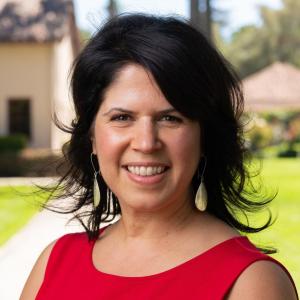
Anna Sampaio is professor of ethnic studies and political science, and chair of the ethnic studies Department at Santa Clara University, with specializations in immigration, Latina/o/x politics, race and gender politics, intersectionality, and transnationalism. She is the author of Terrorizing Latina/o Immigrants: Race, Gender, and Immigration Politics in the Age of Security (2015), which won the 2016 American Political Science Association award for the Best New Book in Latina/o/x Politics, and co-editor of Transnational Latino/a Communities: Politics, Processes, and Cultures (2002). Her research on Latina/o/x politics has been published in both research-centered and public-facing outlets including International Feminist Journal of Politics, Latino Decisions, NACLA, New Political Science, Politics Groups and Identities, Political Research Quarterly, PS: Political Science and Politics, The Gender Policy Report, and The Washington Post. Dr. Sampaio’s current work examines the history of Latina political participation and activism in the U.S. You can find more information about Dr. Sampaio here.
Running for Justice? Understanding Black Women Judicial and Prosecutorial Candidates
Abstract: There is a growing body of literature that points to the impact of judicial decision making and prosecutorial discretion in the increasing gap in criminal justice outcomes for racial minorities in the United States. While scholars have attended to how judges and prosecutors are implicated in the racial disparities in convictions and sentencing, less attention has been paid to who runs and serves in these offices — particularly when these offices are elected positions. Judges and prosecutors are overwhelming white and male. However, the 2018 election brought a great deal of excitement due to a number of Black women being elected to the ranks of judges and prosecutors. This excitement comes at a time in which the relationship between people of color and the criminal justice system is likely at its most complicated. More attention is on judicial and prosecutorial decision making because of police violence against Black people in the United States. The proposed project seeks to evaluate why Black women seek elective office for criminal justice positions and how their presence in these roles influences group members’ attitudes about the criminal justice system. I take a multi-method approach to address these questions (using interviews, an experiment, and election data). The goal of this multi-method approach is to reveal how Black women think of themselves as candidates for these positions, to understand how the public views Black women when they run, and to capture the contexts in which we are more or less likely to see Black women run for judicial and prosecutorial office.
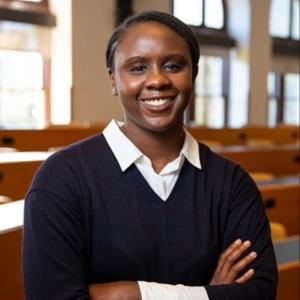
Jamil Scott is an assistant professor at Georgetown University. Her work examines how Black people, particularly Black women, engage in political participation. She is particularly interested in the personal, social and political factors that lead Black women to run for office.