


CAWP data collections track women's representation as candidates and officeholders across levels of office. These resources allow for comparisons between states and parties and track changes in women's political power over time. The CAWP Women Elected Officials Database contains entries for every woman elected to the federal executive, Congress, statewide executive office, and state legislatures going back to 1893.
Explore Data on Officeholders
From our newer data collection on women in municipal office to our classic collections on women in state legislatures and Congress.
Select a state from the map to find current and historical information on women officeholders.
Find women elected officials by position, race/ethnicity, and party.

Explore Data on Candidates
CAWP is a primary source for historical and contemporary data on women candidates, including individual and summary information on individual candidates and aggregate data. In addition, CAWP staff and scholars provide analysis of how women have fared in elections across time and levels of office.
The latest data and information on women running for office in election 2026.

Data and information on women who ran for office in election 2025, including election results.

CAWP publishes real-time election results for women candidates in primary and general election contests, in addition to more detailed analyses of women in each election cycle.

CAWP has decades of information on women candidates, nominees, and winners for state legislative, statewide elective executive, congressional, and federal executive offices. In addition to over-time trends, this section includes a summary of record highs for the number of women candidates and nominees by office and party, as well as information on woman vs. woman contests.

CAWP provides downloadable databases of women filed candidates for U.S. Congress and statewide elective executive offices, as well as a database of women nominees for state legislatures nationwide.

Since 2020, CAWP has published data and analysis on campaign contributions at the state and federal levels, with particular attention to gender, race, and party differences from the candidate and donor points of view.

Explore Data on Voters
CAWP provides historical data on gender and voting, including gender differences in voter turnout, vote choice, and partisan identification.
Women have registered and voted at higher rates than men in every presidential election since 1980. This section provides historical data on voter registration by gender and voter turnout data by gender, race, age, educational attainment, and marital status.
A greater proportion of women than men have voted for the Democrat in every presidential election since 1980. This section provides historical data on the gender gap in party identification and gender gaps in presidential vote choice overall and by race, age, educational attainment, marital status, religion, and community type.
Explore Data on Donors
This project analyzes campaign contributions by individuals to major party congressional women and men candidates. It will be updated periodically during the 2026 election cycle.

This project analyzes campaign contributions by individuals to major party congressional and state women and men candidates. It was updated periodically during the 2024 election cycle.

This interactive experience using data visualizations, part of CAWP's Women, Money, & Politics Series, examines the intersection of campaign finance and gender from both the donor and recipient perspective, with state-by-state analysis and partisan breakdowns. Once again, our campaign finance research shows women lagging men both as donors and in the amounts donated.

Since 2020, CAWP has published data and analysis on campaign contributions at the state and federal levels, with particular attention to gender, race, and party differences from the candidate and donor points of view.

Explore Milestones
1866
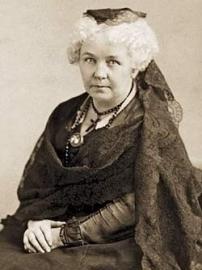
Elizabeth Cady Stanton was the first woman to run for the U.S. House of Representatives, even though she was not eligible to vote. She ran as an Independent from New York State, receiving 24 votes of 12,000 that were cast.
1872
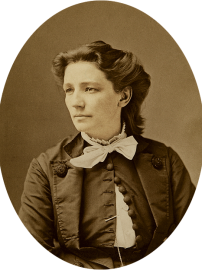
Victoria Woodhull, a stockbroker, publisher, and protégé of Cornelius Vanderbilt, ran for president of the United States on the Equal Rights Party ticket.
Click here for a complete list of women who have run for president and vice president.
1884

Belva Lockwood, the first woman admitted to practice law before the U.S Supreme Court, ran for president on the Equal Rights Party Ticket; she did so again in 1888.
1887

Susanna Salter was elected mayor of Argonia, Kansas – the first woman mayor in the country.
1888
Oskaloosa, Kansas became the first town in the United States known to have an all-woman government, with the mayor and entire council being female. The council included Mayor Mary D. Lowman, and Councilmembers Carrie Johnson, Sadie E. Balsley, Hanna P. Morse, Emma K. Hamilton, and Mittie Josephine Golden. One year prior, in 1887, voters in Syracuse, Kansas elected women to all five seats of the city council, but a man served as mayor.
1892
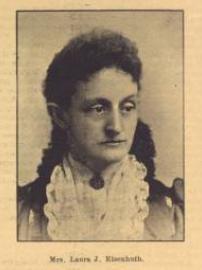
Laura Eisenhuth (D-ND) was elected superintendent of public instruction, the first woman elected to statewide executive office in any state.
1894
The first three women elected to a state legislature in the country were Clara Cressingham (R), Carrie C. Holly (R), and Frances Klock (R), all in the Colorado House of Representatives.
1895
Clara Cressingham (R) became the first woman to fill a leadership position in a state legislature, serving as Secretary of the Colorado House Republican Caucus.
1896
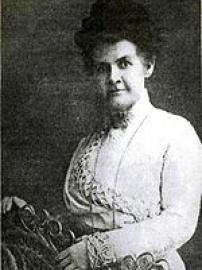
Martha Hughes Cannon (D) was elected to the Utah State Senate, becoming the first woman state senator in the country.
1900
Frances Warren of Wyoming became the first woman delegate to a Republican National Convention. In the same year, Elizabeth Cohen of Utah was chosen as an alternate to the Democratic National Convention. When another delegate became ill, Cohen became the first woman delegate to a Democratic National Convention.
1916
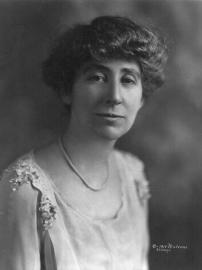
Jeannette Rankin, a Republican from Montana, became the first woman ever elected to Congress. She served in the U.S. House of Representatives from 1917 to 1919 and again from 1941 to 1942; a pacifist, she was the only lawmaker to vote against U.S. entry into both world wars.
1922
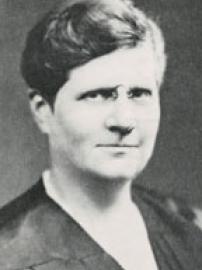
Florence Ellinwood Allen was elected justice of the Supreme Court of Ohio, the first woman elected to the highest court in any state. She had previously been the first woman assistant county prosecutor in the country and the first woman elected to a judicial office in Ohio. Later, she became the first woman appointed to a federal appeals court judgeship.
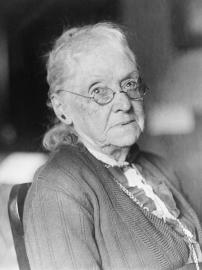
Rebecca Latimer Felton, a Georgia Democrat, became the first woman appointed to the Senate, but only served one day. While she was a suffragist, fully embracing equality of the sexes, she was also an outspoken white supremacist and advocate of segregation who spoke out in favor of lynching, as well as the last member of Congress to have been a slaveholder.
1923
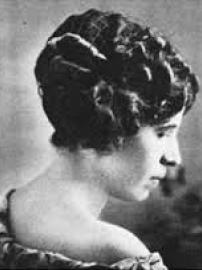
Soledad Chacon (D) was elected secretary of state in New Mexico, the first Latina and first woman of color to hold a statewide elected executive office.
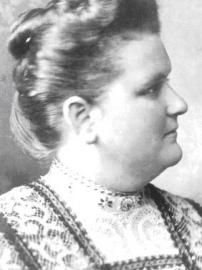
Emma J. Harvat was elected mayor of Iowa City, Iowa, the first woman to be elected leader of a US municipality with a population exceeding 10,000.
1924
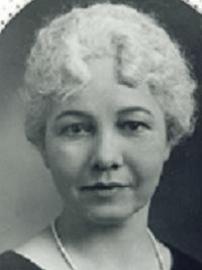
Cora Belle Reynolds Anderson (R) was elected to the Michigan State House of Representatives, the first Native American woman in a state legislature.

Bertha K. Landes, Republican city council president at the time, became acting mayor of Seattle, the first woman to lead a major American city. Two years later she was elected mayor in her own right in a campaign run by women.
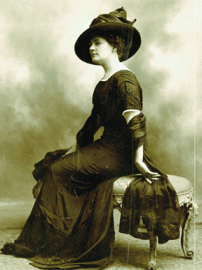
Lena Springs of South Carolina chaired the credentials committee at the Democratic National Convention and received several votes for the Vice Presidential nomination.
1925
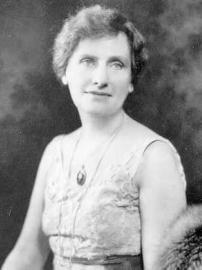
Nellie Tayloe Ross, a Wyoming Democrat, became the nation's first woman governor, elected to replace her deceased husband. She served for two years. Later, she became vice chair of the Democratic National Committee and director of the U.S. Mint. At the 1928 Democratic National Convention, she received 31 votes on the first ballot for vice president.
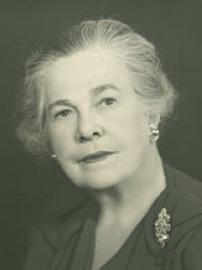
Representative Mae Ella Nolan (R-CA) became the first woman to chair a congressional committee when, during the 68th Congress, she chaired the Committee on Expenditures in the Post Office Department.
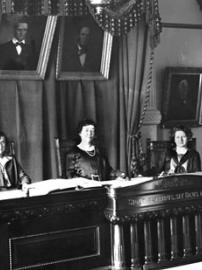
In 1925, Texas Governor Pat Neff faced a dilemma: a fraternal organization had a case before the Texas Supreme Court, but all the justices, and nearly every eligible judge and lawyer in the state, were members of the organization and were required to recuse themselves. His solution was to seat a special session of an all-woman Texas Supreme Court, consisting of Hortense Sparks Ward, Ruth Virginia Brazzil, and Hattie Lee Hennenberg. It remains the only all-woman state supreme court in history.
1928
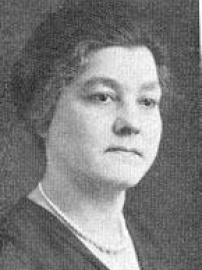
With her appointment to the West Virginia State House of Representatives, Minnie Buckingham Harper (R) became the first Black woman in a state legislature.
1930
Two Latinas, Fedelina Lucero Gallegos (R) and Porfirria Hidalgo Saiz (D), were elected to the New Mexico House of Representatives, the first Latina state legislators.
1932
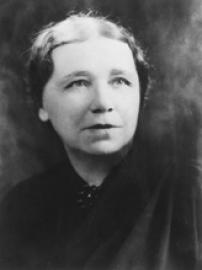
Hattie Wyatt Caraway (D-AR), appointed in 1931 to fill a vacancy caused by her husband's death, ran for a full term and became the first woman elected to the Senate, where she served two full terms. She was the first woman to chair a Senate committee – the Committee on Enrolled Bills, a minor post.
1933
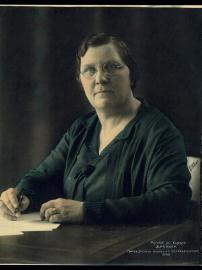
Minnie Davenport Craig (NPL-ND) became the first woman to hold the position of speaker of the House in a state legislature. A member of the state Non-Partisan League party, she also served as a Republican National Committeewoman.
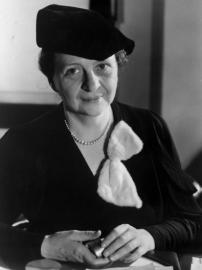
With her appointment by President Franklin D. Roosevelt as secretary of labor, Frances Perkins (D) became the first woman ever to serve in a presidential Cabinet. She served until 1945.
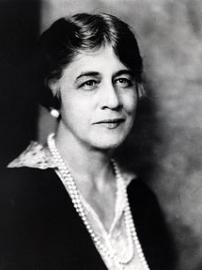
Ruth Bryan Owen (D), a former congresswoman, became the first woman to hold a major diplomatic post when she was appointed by President Roosevelt as minister to Denmark. She held that post until 1936, when her marriage to a Dane and resulting dual citizenship made her ineligible to serve.
1938
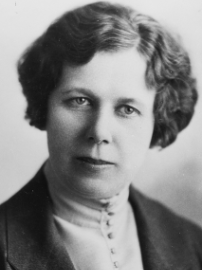
Gladys Pyle (R-SD) became the first Republican woman elected to the Senate and the first woman from either party to win election to the Senate without having first been appointed. Because she won a special election for a two-month term (November 1938 to January 1939), she worked in Washington on behalf of her constituents but was never officially sworn in.
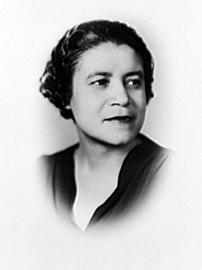
Crystal Dreda Bird Fauset (D) was elected to the Pennsylvania State House of Representatives, the first Black woman elected to a state legislature.
1948
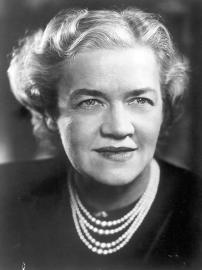
Margaret Chase Smith (R-ME) became the first woman elected to a full term in the U.S. Senate without having first been appointed to serve. Smith had first come to Congress when elected to fill her deceased husband's House seat; she went on to be elected to the Senate in her own right. With her election to the Senate, Smith also became the first woman to serve in both houses of Congress.
1949
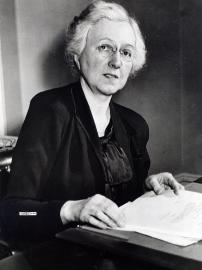
Representative Chase G. Woodhouse (D-CT) was the first woman to hold the position of secretary in the House Democratic Caucus.
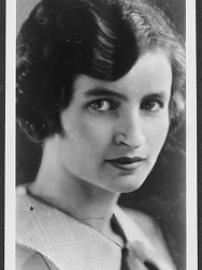
Burnita Shelton Matthews was appointed by President Harry Truman to serve on the U.S. court for the District of Columbia, making her the first woman to serve as a federal district court judge.
1955
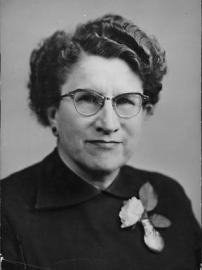
Consuelo Bailey, a Vermont Republican, became the first woman ever elected lieutenant governor of a state. In that role, she served as president of the state Senate. Since she had previously served as speaker of the state House of Representatives, she thus became the only woman in the country ever to preside over both chambers of a state legislature.
1962
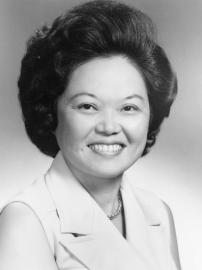
Patsy Takemoto Mink (D) became the first Asian American/Pacific Islander woman elected to a state legislature when she won a seat in the Hawaii Senate.
1963
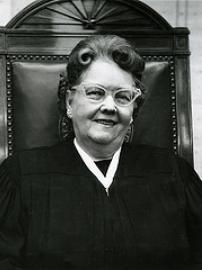
Justice Lorna Lockwood, the first woman elected to the Arizona Supreme Court, became the first woman in the U.S. to serve as chief justice of a state supreme court.
1964
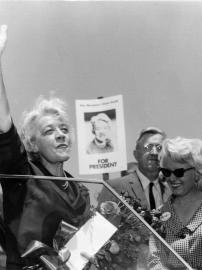
Senator Margaret Chase Smith, a Maine Republican, was nominated for the presidency by Vermont Senator George Aiken at the Republican national convention. Smith had campaigned briefly for the post, limiting herself to periods when the Senate was not in session. Elected to the House of Representatives in 1940 (to replace her dying husband) and the Senate in 1948, Smith had already made history by becoming the first woman to serve in both houses of Congress.
1965
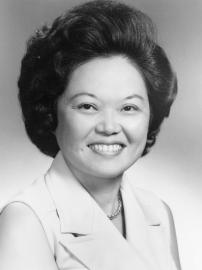
Patsy Takemoto Mink, a Democrat from Hawaii, became the first woman of color and the first woman of Asian American/Pacific Islander descent elected to the U.S. House of Representatives. She served until 1977 and was re-elected in 1990.
1966
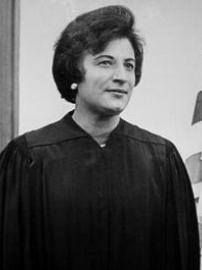
Constance Baker Motley was appointed by President Lyndon Johnson to the United States District Court for the Southern District of New York, becoming the first Black woman to serve as a federal judge.
1967
Senator Margaret Chase Smith (R-ME) became the first woman to serve as the chair of the Senate Republican Conference.
1968
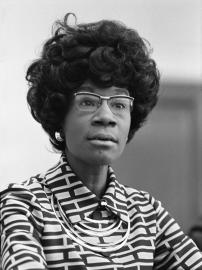
Shirley Chisholm, a New York Democrat, became the first Black woman to serve in Congress. She remained in the House of Representatives until 1982.
1969
Sophia Mitchell was appointed mayor of Rendville, Ohio, becoming one of the first Black women in the country known to serve as mayor of a municipality. She served for at least two more terms, although she noted in a later interview that she never ran for the position and stayed on because no one else wanted the role. Note that the language “one of the first” is because there is some evidence that other small towns may have had Black women mayors prior to Sophia Mitchell’s tenure.
1971
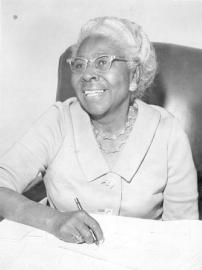
Ellen Walker Craig-Jones of Urbancrest, Ohio became the first Black woman to be elected mayor by popular vote of a United State municipality. She served as mayor of Urbancrest from 1972-1975.
1972
Congresswoman Patsy Mink (D-HI) agreed to have her name appear on the Oregon presidential ballot to provide a platform to discuss opposition to the Vietnam War, force previous Democratic front-runner George McGovern to resume his antiwar focus, and hold the state’s liberal votes together until its delegates reached the convention that summer. Mink received more than five thousand votes in the Oregon primary on May 23 and smaller numbers in Maryland (573) and Wisconsin (913). She made no effort to have her name placed into nomination at the Democratic National Convention.

Jean Westwood was named by presidential nominee George McGovern to chair the Democratic National Committee. The first woman to hold that position, she served until just after the election, when she was replaced by Robert Strauss.
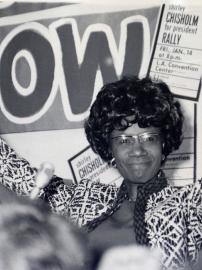
Congresswoman Shirley Chisholm (D-NY) ran for president in the Democratic primaries. At the party's national convention, she garnered 151.25 delegate votes before Senator George McGovern clinched the nomination. At the same convention, Frances (Sissy) Farenthold, a former Texas state legislator who twice ran for governor of that state, finished second in the balloting for the Vice Presidential nomination, receiving more than 400 votes.
1973
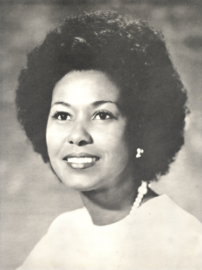
Yvonne Brathwaite Burke (D-CA) became the first woman to give birth while serving in Congress. Her daughter, Autumn Burke, went on to be elected to the California State Assembly in 2014.
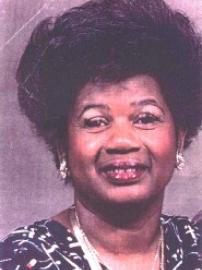
Lelia Foley-Davis was elected mayor of Taft, Oklahoma. She was widely cited in national news reports at the time as the nation's first elected Black woman mayor. While she is not technically the first (see the 1971 timeline entry on Ellen Walker Craig-Jones), she is one of the very first Black women to serve as mayor of a municipality in the country and the first Black woman to serve as mayor of an all-Black town.
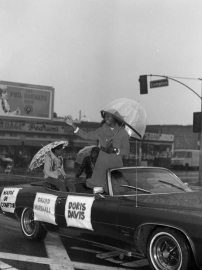
Doris A. Davis was elected mayor of the City of Compton, California, making her the first Black woman mayor of a metropolitan city in the United States.
1974
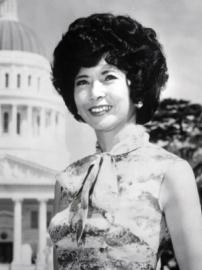
March Fong Eu (D) was elected California's secretary of state, the first Asian American/Pacific Islander to hold a statewide elected executive office.
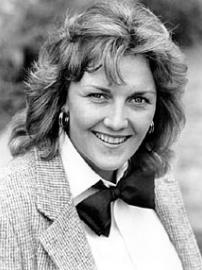
Elaine Noble (D) became the first openly lesbian or gay candidate elected to a state legislature. She served in the Massachusetts House of Representatives for two terms starting in January 1975.
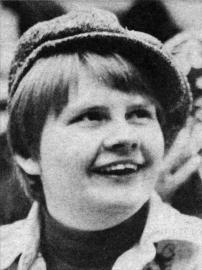
Kathy Kozachenko became the first openly gay or lesbian candidate to run successfully for political office in the United States, winning a seat on the Ann Arbor, Michigan city council.
1975
Julia Cooper Mack was appointed by President Gerald Ford to the DC Court of Appeals, becoming the first Black woman appointed to a court of last resort in the U.S.
1976
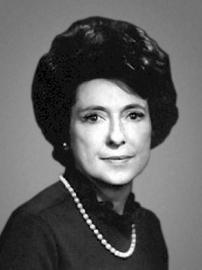
Congresswoman Lindy Boggs (D-LA) served as chairwoman of the 1976 Democratic National Convention, becoming the first woman to preside over a major party convention. Boggs was also the first woman elected to Congress from Louisiana and later served as United States Ambassador to the Holy See.
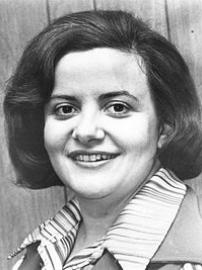
Mary Rose Oakar (D-OH) became the first Arab American woman elected to Congress.
1977
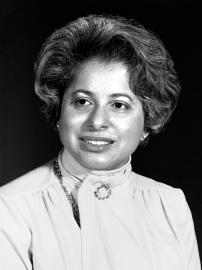
Patricia Roberts Harris (D) was appointed by President Jimmy Carter to serve as secretary of Housing and Urban Development during 1977-1979. From 1979-1981, she served as secretary of Health and Human Services. She was the first Black woman to serve in a presidential Cabinet and the first woman to hold two different Cabinet positions.
1978
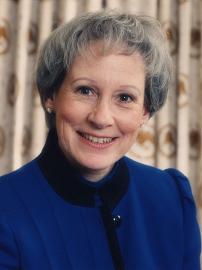
Nancy Landon Kassebaum (R-KS) was the first woman to have been elected to the Senate without having previously filled an unexpired Congressional term.
1979
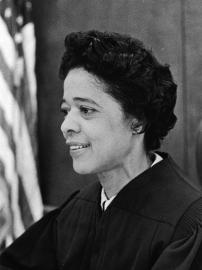
Velvalea "Vel" Phillips (D) was elected Wisconsin's secretary of state, the first Black woman to hold a statewide elected executive office.
1980
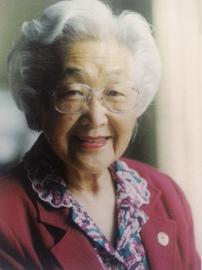
Eunice Sato was the first Asian American woman to serve as mayor of a major American city. She was mayor of Long Beach, CA, from 1980-1982.

LaDonna Harris appears to be the first Native American woman nominee for vice president in the United States. She ran on the Citizens Party ticket, which received less than one percent of the popular vote in the 1980 presidential election.
1981
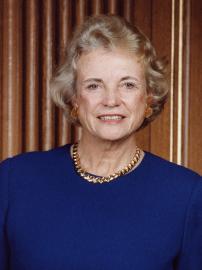
Sandra Day O'Connor, a former Republican state legislator from Arizona who had served on a state appeals court, was appointed by President Ronald Reagan as the first woman ever to sit on the U.S. Supreme Court.
1983
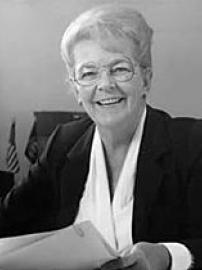
Vesta Roy (R-NH) became the first woman to hold the position of president of a state senate.
1984
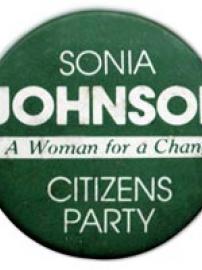
Sonia Johnson ran on the U.S. Citizens Party ticket, Pennsylvania's Consumer Party ticket, and California's Peace and Freedom Party ticket, becoming the first third-party candidate for U.S. president eligible for federal primary matching funds.
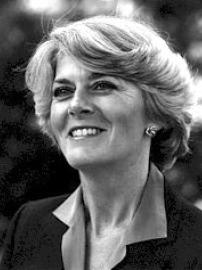
Third-term Congresswoman Geraldine A. Ferraro (D-NY), secretary of the House Democratic Caucus, became the first woman ever to run on a major party's national ticket when she was selected by Walter F. Mondale as his vice presidential running mate. The ticket was decisively defeated, capturing only 13 electoral votes, and few analysts felt that Ferraro's presence had a strong impact – positive or negative – on the outcome.
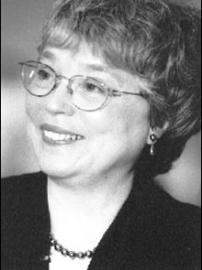
Arlene Violet (R-RI), a former nun, became the first woman elected as a state's attorney general, serving from 1985-87.
1985
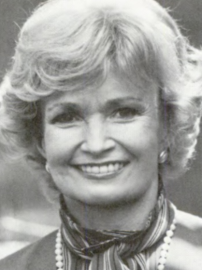
With her appointment as U.S. ambassador to Ireland by President Ronald Reagan, Margaret Heckler (R) became the first woman to have served as a member of Congress, in a presidential cabinet, and as an ambassador. She represented Massachusetts in the U.S. House of Representatives from 1967 to 1983, served as secretary of Health and Human Services from 1983 to 1985, and was ambassador to Ireland from 1985 to 1989.
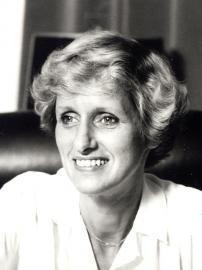
Congresswoman Lynn Morley Martin (R-IL) began her first of two terms as vice chair of the Republican Conference in the House, the first time a woman held an elected position in the congressional party caucus' hierarchy.

Madeleine Kunin, a Democrat, was elected governor of Vermont. She became the first woman in any state to serve three terms as governor (1985-1991).
1986
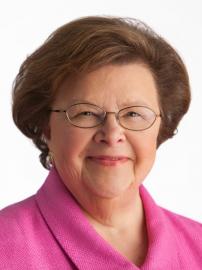
Barbara Ann Mikulski, a Maryland Democrat, became the first Democratic woman elected to the Senate without previously filling an unexpired Congressional term.
1987
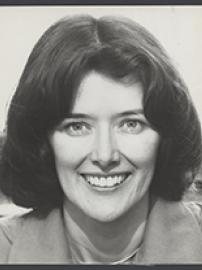
Congresswoman Patricia Schroeder (D-CO) made national headlines when she took preliminary steps toward making a run for the presidency, but she dropped out before the primaries, unable to raise the necessary funds.
Rep. Mary Rose Oakar (D-OH) became the first woman to serve as vice chair of the House Democratic Caucus.
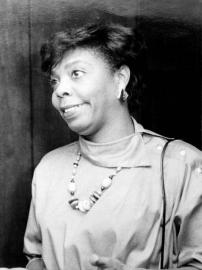
Lottie Shackleford was elected mayor of Little Rock, Arkansas, the first Black woman elected mayor of one of the 100 largest cities in the United States.

Kay Orr, a Republican from Nebraska, was the first Republican woman elected governor of a state, as well as the first woman to defeat another woman in a gubernatorial race.
1988
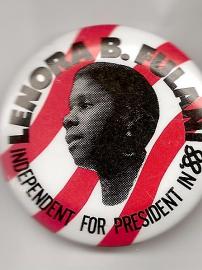
Lenora Fulani ran for U.S. President twice, first in 1988 and again in 1992, and qualified for federal matching funds as a candidate for the New Alliance Party.
1989

Representative Barbara Kennelly (D-CT) became the first woman to hold the position of House Democratic chief deputy whip.
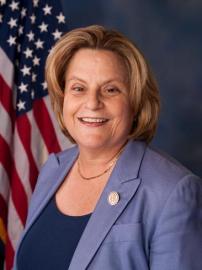
Ileana Ros-Lehtinen, a Florida Republican, became the first Hispanic woman and first Cuban American to be elected to Congress. She was elected to the U.S. House of Representatives in August 1989 in a special election.
1990
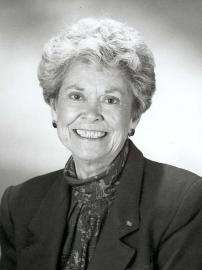
Joan Finney, a Kansas Democrat, became the first woman in any state to defeat an incumbent governor. She served as governor from 1991-1995.

Apart from single-member House delegations, the first all-woman U.S. House delegation was from Hawaii. Representatives Patricia Saiki (R) and Patsy Mink (D) served from 1990 to 1991. They were also the first all-woman of color House delegation.
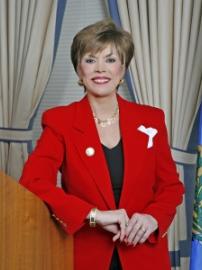
Sandy Garrett (D) was elected Oklahoma's superintendent of public instruction, making her the first Native American woman to be elected to any statewide executive office in the U.S.
1992
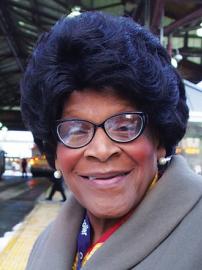
Althea Garrison (R) was elected to the Massachusetts House of Representatives, becoming the first transgender or transsexual person to serve in a state legislature in the United States. Garrison was outed against her wishes after being elected. Garrison came out publicly in an October 2023 media interview with The 19th.
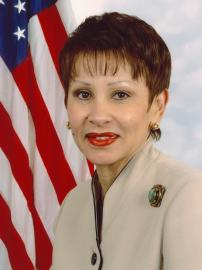
Nydia Velázquez, a New York Democrat, became the first Puerto Rican woman elected to Congress.
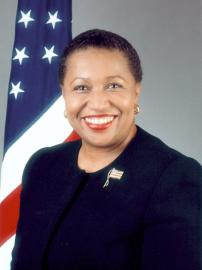
Carol Moseley Braun, an Illinois Democrat, became the first Black woman and the first woman of color to be elected to the U.S. Senate. She had also been the first Black woman to win a major party Senate nomination. She defeated the incumbent in the primary and won the resulting open seat in the general election. Her term ended in 1999 when she lost her re-election bid.
1993
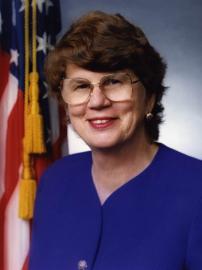
Janet Reno became the first woman to serve as U.S. attorney general. She served in President Bill Clinton's Cabinet from 1993 to 2001. She ran unsuccessfully for governor in the 2002 Florida Democratic primary.
1994
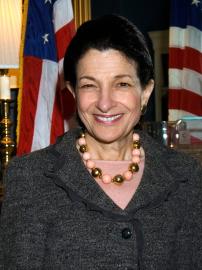
Olympia Snowe (R-ME) became the first woman (and the only Republican woman) to have been elected to her State House, State Senate, U.S. House, and U.S. Senate. Debbie Stabenow (D-MI) also followed this path to the U.S. Senate, making her the first Democrat to do so.
1995
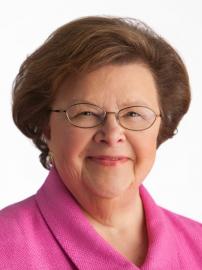
Senator Barbara Mikulski (D-MD) became the first woman to hold the position of secretary to the Senate Democratic Conference in the 104th Congress (1995-1997).
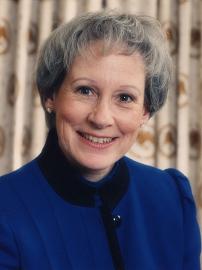
Senator Nancy Landon Kassebaum (R-KS) became the first woman to chair a major Senate committee, the Committee on Labor and Human Resources.
1997
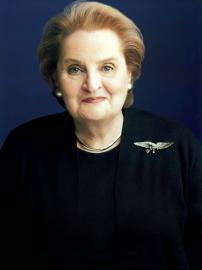
Madeleine K. Albright became the first woman to serve as U.S. secretary of state, serving from 1997 to 2001. She became the highest-ranking woman in the U.S. government, but, as a naturalized citizen, she would not have been eligible to become president. She had previously served as U.S. ambassador to the United Nations from 1993 to 1997.
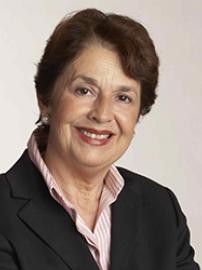
Aida Alvarez became the first Hispanic woman, as well as the first person of Puerto Rican heritage, to hold a Cabinet-level position when she was appointed administrator of the U.S. Small Business Administration in the Clinton administration.
1998
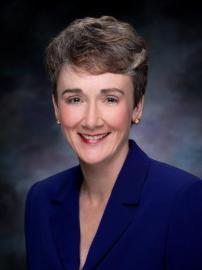
Heather Wilson (R-NM) became the first woman military veteran elected to Congress. She was a member of the U.S. Air Force.
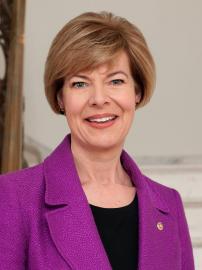
Tammy Baldwin, a Democrat from Wisconsin, became the first openly gay or lesbian person elected to Congress as a non-incumbent. She was also Wisconsin's first woman in Congress. In 2012, she became the first openly gay or lesbian person elected to the U.S. Senate.
1999
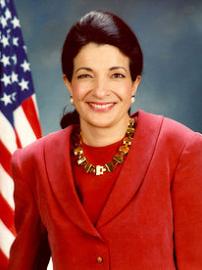
Senator Olympia Snowe (R-ME) became the first woman to serve as secretary of the Senate Republican Conference.
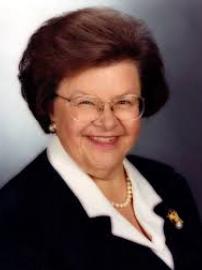
Senator Barbara Mikulski (D-MD) became the first woman to serve as secretary of the Senate Democratic Conference.
2000
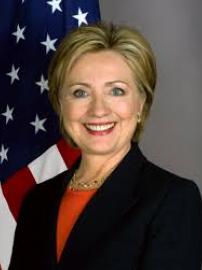
Hillary Rodham Clinton (D) became the only first lady ever elected to public office. She was elected to the U.S. Senate, winning an open seat in a general election. She was also the first woman elected to the Senate from New York.
2001
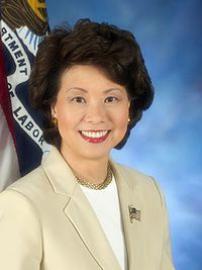
Elaine Chao (R) became the first Asian American woman to serve in a presidential Cabinet when she was appointed secretary of labor by President George W. Bush.
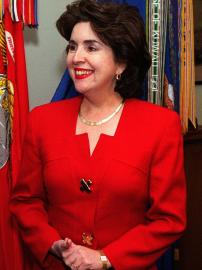
Sila Calderon (Popular Democratic Party), former mayor of San Juan, became the first woman governor of Puerto Rico.
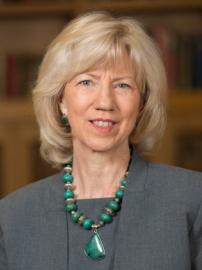
Gale Norton (R) became the first woman to serve as secretary of the interior, appointed by President George W. Bush. Norton was the first woman elected as Colorado's attorney general and served that position for two terms.
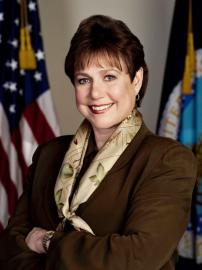
Ann Veneman (R) was appointed by President George W. Bush to be the first female secretary of agriculture. She had previously been the first woman to serve as secretary of the California Department of Food and Agriculture.
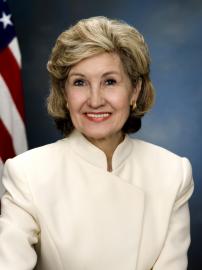
Senator Kay Bailey Hutchison (R-TX) became the first woman to serve as vice chair of the Senate Republican Conference.
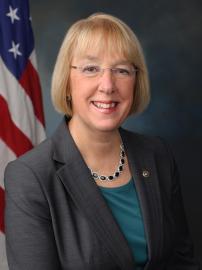
Senator Patty Murray (D-WA) became the first woman to serve as chair of the Democratic Senatorial Campaign Committee.
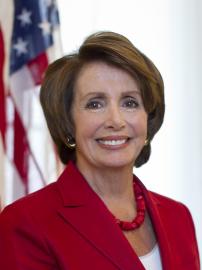
Representative Nancy Pelosi (D-CA) was elected by her colleagues as House Democratic whip, at that time the highest-ranking woman in the history of the U.S. Congress.
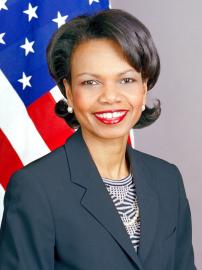
Condoleezza Rice became the first woman to hold the post of national security advisor (formally known as assistant to the president for national security affairs) when she was appointed by President George W. Bush.
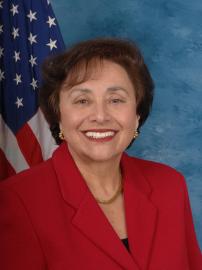
Representative Nita Lowey (D-NY) became the first woman to chair the Democratic Congressional Campaign Committee. She also served as House Minority whip-at-large.
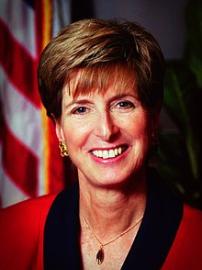
Christine Todd Whitman (R) of New Jersey became the first female former governor to serve in a presidential Cabinet-level position when she is appointed administrator of the Environmental Protection Agency by President George W. Bush. She had been the first woman elected governor of New Jersey and served two terms in that position.
2002
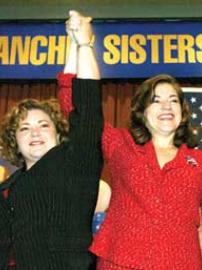
The election to Congress of Linda Sanchez (D-CA) meant that for the first time, two sisters served together in the House. Representative Loretta Sanchez (D-CA) was first elected to the House in 1996.
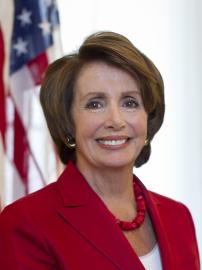
Representative Nancy Pelosi (D-CA) became the first woman to head her party in Congress when she was elected by her colleagues as House Democratic leader.
2003
Arizona became the first state where a woman governor succeeded another woman governor. Jane Dee Hull (R) was succeeded by Janet Napolitano (D). Napolitano was also succeeded by a woman, Jan Brewer (R), in 2009.
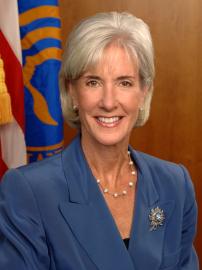
Kathleen Sebelius (D-KS) is the first woman governor whose father (John Gilligan, D-OH) was also governor of a state.
2005
Washington State became the first state to have both a woman governor (Christine Gregoire, D) and two women serving in the U.S. Senate (Patty Murray, D and Maria Cantwell, D). New Hampshire followed suit in 2013.
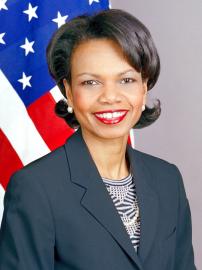
Condoleezza Rice became the first Republican woman and the first Black woman to serve as U.S. secretary of state.
2007
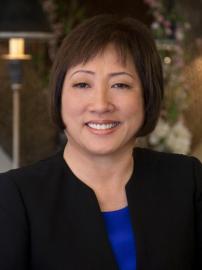
Colleen Hanabusa (D) became president of the Hawaii Senate, the first woman of color and the first Asian American/Pacific Islander woman woman to hold the top leadership position in a state legislative chamber.
Three congresswomen became the first women of color to chair congressional committees: Representative Stephanie Tubbs Jones (D-OH), Committee on Ethics; Representative Juanita Millender-McDonald (D-CA), Committee on House Administration; and Representative Nydia Velázquez (D-NY), Committee on Small Business.
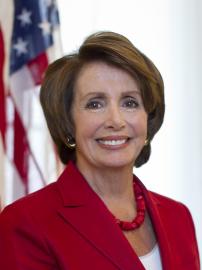
Representative Nancy Pelosi (D-CA) became the first woman to serve as speaker of the U.S. House.
2008
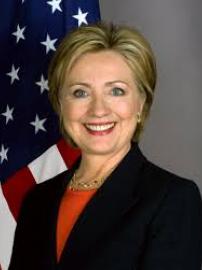
Senator Hillary Rodham Clinton (D-NY) was the first woman to win a major party's presidential primary for the purposes of delegate selection when she won the primary in New Hampshire on January 8. She also became the first woman to be a presidential candidate in every primary and caucus in every state.
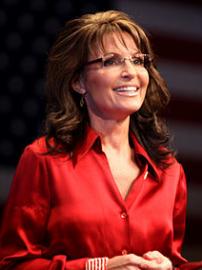
Alaska Governor Sarah Palin, selected by Senator John McCain as his vice presidential running mate, became the first woman on a national GOP ticket.
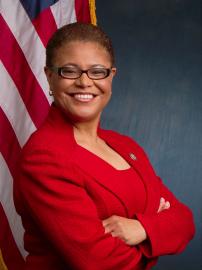
Karen Bass (D) became speaker of the California State Assembly, the first woman of color to serve as speaker of a state house and the first Black woman to lead either house of a state legislature.
2009
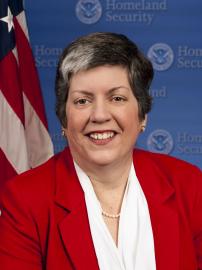
Janet Napolitano, governor of Arizona, was appointed secretary of homeland security by President Barack Obama, the first woman to hold that post since the Department of Homeland Security was created in 2003.
The New Hampshire Senate became the first state legislative chamber in the country to reach or surpass gender parity, with 13 of its 24 seats (54%) held by women in 2009-2010.
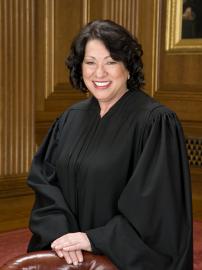
Sonia Sotomayor was appointed as an associate justice of the U.S. Supreme Court by President Barack Obama, becoming the first Hispanic and third female member of the Court. Sotomayor had previously been appointed to the U.S. District Court for the Southern District of New York by President George H. W. Bush in 1991 and to the U.S. Court of Appeals for the Second Circuit by President Bill Clinton.
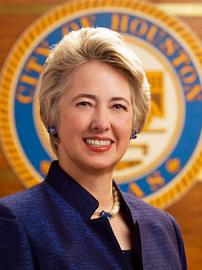
2011
Two women of color, both Republicans elected in November 2010, took office as governors, the first women of color chief executives in the country. Susana Martinez, a Latina, became governor of New Mexico, and Nikki Haley, an Asian American, became governor of South Carolina.

Margarita Prentice (D) becomes Senate president pro tempore of the Washington Senate, the first Latina to lead either chamber of a state legislature.
2012

Kyrsten Sinema (D-AZ) became the first openly bisexual person elected to Congress. In 2018, she became the first openly bisexual person elected to the U.S. Senate.
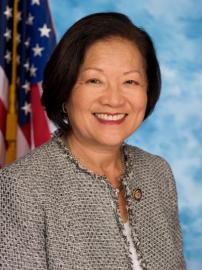
Mazie Hirono (D-HI) became the first Asian American/Pacific Islander woman — and only the second woman of color — elected to the U.S. Senate.
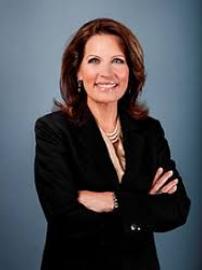
U.S. Representative Michele Bachmann (R-MN) campaigned for the Republican nomination for president. She withdrew from the race after a disappointing showing in the Iowa caucuses.
2013
New Hampshire became the first state to have an all-female Congressional delegation (Senators Jeanne Shaheen and Kelly Ayotte, and Representatives Ann McLane Kuster and Carol Shea-Porter.)
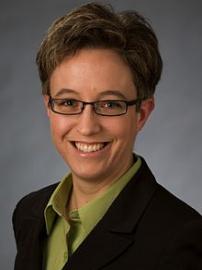
Tina Kotek (D-OR) became the country's first openly lesbian state House speaker.
2014
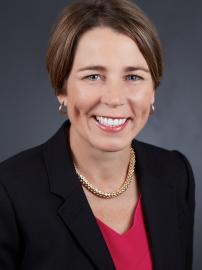
Maura Healey (D) was elected Massachusetts attorney general, becoming the first openly gay state attorney general elected in the United States as well as the first openly gay woman to be elected to any statewide office in the country.
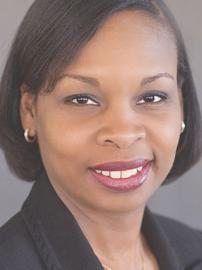
Ivy Taylor was elected mayor of San Antonio in a special election by her peers on the city council to fill a vacancy, becoming the first Black woman and first woman of color to serve as mayor of one of the nation's ten largest cities. She was re-elected in a regular election in 2015 and served until 2017.
2015

Kate Brown (D-OR) became the nation's first openly bisexual governor and the first person to be openly LGBT at the time of assuming the governor's office.
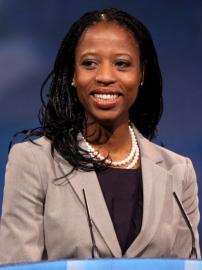
Mia Love (R-UT) became the first Black Republican woman in Congress.
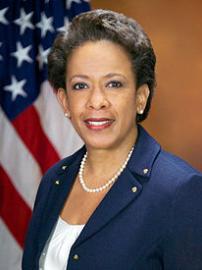
Loretta Lynch became the first Black woman and the second woman to serve as U.S. attorney general. Appointed by President Barack Obama, she served from 2015-2017.
2016
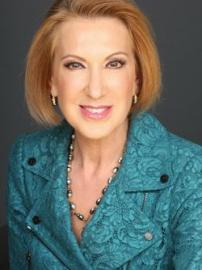
Carly Fiorina (R) was a candidate for the 2016 Republican presidential nomination, the only woman among the GOP candidates. She suspended her campaign in February 2016 due to disappointing early primary results. In April 2016, Ted Cruz named her as his vice presidential running mate, but he suspended his campaign a week later.
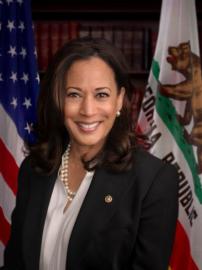
Kamala Harris (D-CA), who is both Black and South Asian, became the first South Asian and second Black woman elected to the U.S. Senate.
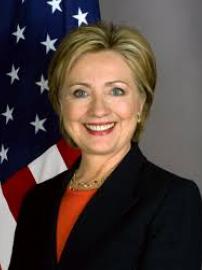
In June 2016, Hillary Rodham Clinton became the first woman to be a major party's presumptive nominee for president. She formally became the first woman to be a major party's presidential nominee at the Democratic National Convention on July 26, 2016. Despite winning the popular vote by almost 3 million votes, Clinton lost the Electoral College and conceded the general election on November 9, 2016.
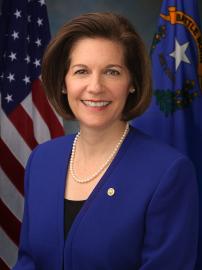
Catherine Cortez Masto (D-NV) became the first Latina elected to the U.S. Senate.
2017

Twenty-five years after Althea Garrison's election and non-consensual outing, Danica Roem (D-VA) became the first openly transgender person to be elected and to serve in a state legislature in the United States.
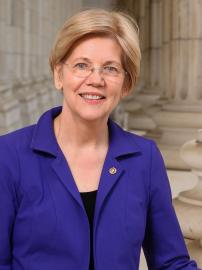
Senator Elizabeth Warren (D-MA) became the first woman to serve as vice chair of the Senate Democratic Conference.
2018
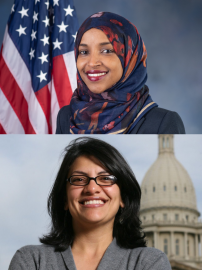
Ilhan Omar (D-MN) and Rashida Tlaib (D-MI) became the first Muslim women elected to Congress.
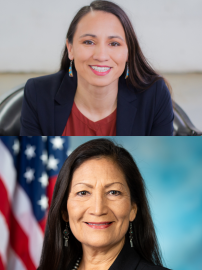
Sharice Davids (D-KS) and Deb Haaland (D-NM) became the first Native American women elected to Congress.
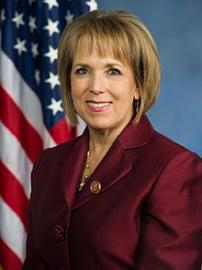
Michele Lujan Grisham (NM) was elected governor of New Mexico, becoming the first Democratic woman of color governor nationwide.
2019
Nevada became the first state to have women hold a majority of state legislative seats (32 of 63, or 50.8%). While women hold a majority of the seats overall, they are majority in only one chamber, the Assembly, where they hold 23 of the 42 seats. The New Hampshire Senate was the first state legislative chamber to surpass gender parity in 2009, although its overall proportion in both chambers still remained below 50%.
2020
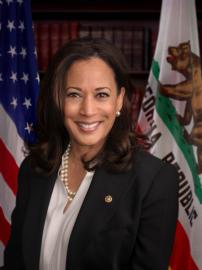
In August 2020, U.S. Senator Kamala Harris (D-CA) was selected by former Vice President Joe Biden as his running mate in the 2020 presidential election. Harris is the first woman of color to be selected as the running mate on a major-party ticket, as well as the first multiracial woman, the first South Asian woman, and the first Black woman. Harris joins Geraldine Ferraro and Sarah Palin in becoming the third woman in history tapped as the vice presidential pick, as well as the fourth woman, with Hillary Clinton, on a major-party presidential ticket.
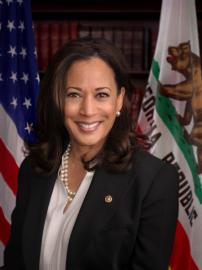
In November 2020, U.S. Senator Kamala Harris (D) was elected vice president of the United States, becoming the first woman, the first woman of color, the first Black woman, and the first South Asian woman elected to this office.
2021
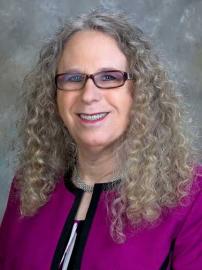
Rachel Levine, appointed by President Joe Biden to serve as assistant secretary for health, became the first openly transgender person to be confirmed by the U.S. Senate, making her the highest-ranking openly transgender official in U.S. history.
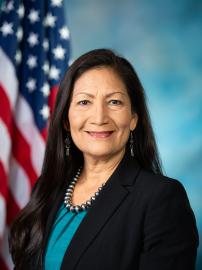
Deb Haaland was appointed by President Joe Biden to serve as secretary of the interior, becoming the first Native American woman to serve in a presidential Cabinet.
2022
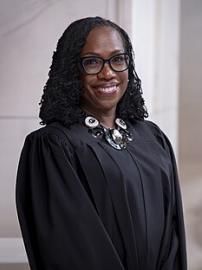
Ketanji Brown Jackson was appointed as an associate justice of the U.S. Supreme Court by President Joe Biden, becoming the first Black woman and sixth female member of the Court. Brown Jackson had been appointed in 2013 to the U.S. District Court for the District of Columbia by President Barack Obama and to the U.S. Court of Appeals for the District of Columbia Circuit in 2021 by President Joe Biden.
2024
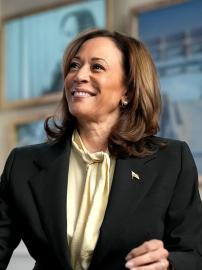
In August 2024, Vice President Kamala Harris became the second woman, first Black woman, and first South Asian person to be a major party's presidential nominee when she earned the requisite votes of the Democratic National Committee on August 6, 2024. Harris became the nominee after incumbent President Joe Biden, the presumptive Democratic nominee, dropped his bid for re-election and endorsed Harris on July 21, 2024.
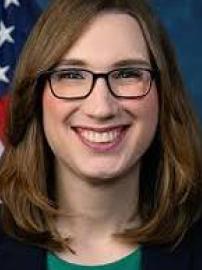
Sarah McBride (D-DE) became the first out transgender person elected to Congress.